Revamp Your Backyard: Your Essential Guide to Impressive Pool Transformation Ideas
Redesigning a yard into a stunning sanctuary requires careful design and planning. A pool transformation can elevate both aesthetics and functionality. By assessing existing features and incorporating modern design ideas, residents can create a environment that fulfills their requirements. However, the undertaking involves more than just selecting tiles and water features. Knowing the key phases and common challenges is crucial for a successful transformation. Which key choices need to be considered to achieve the desired outcome?
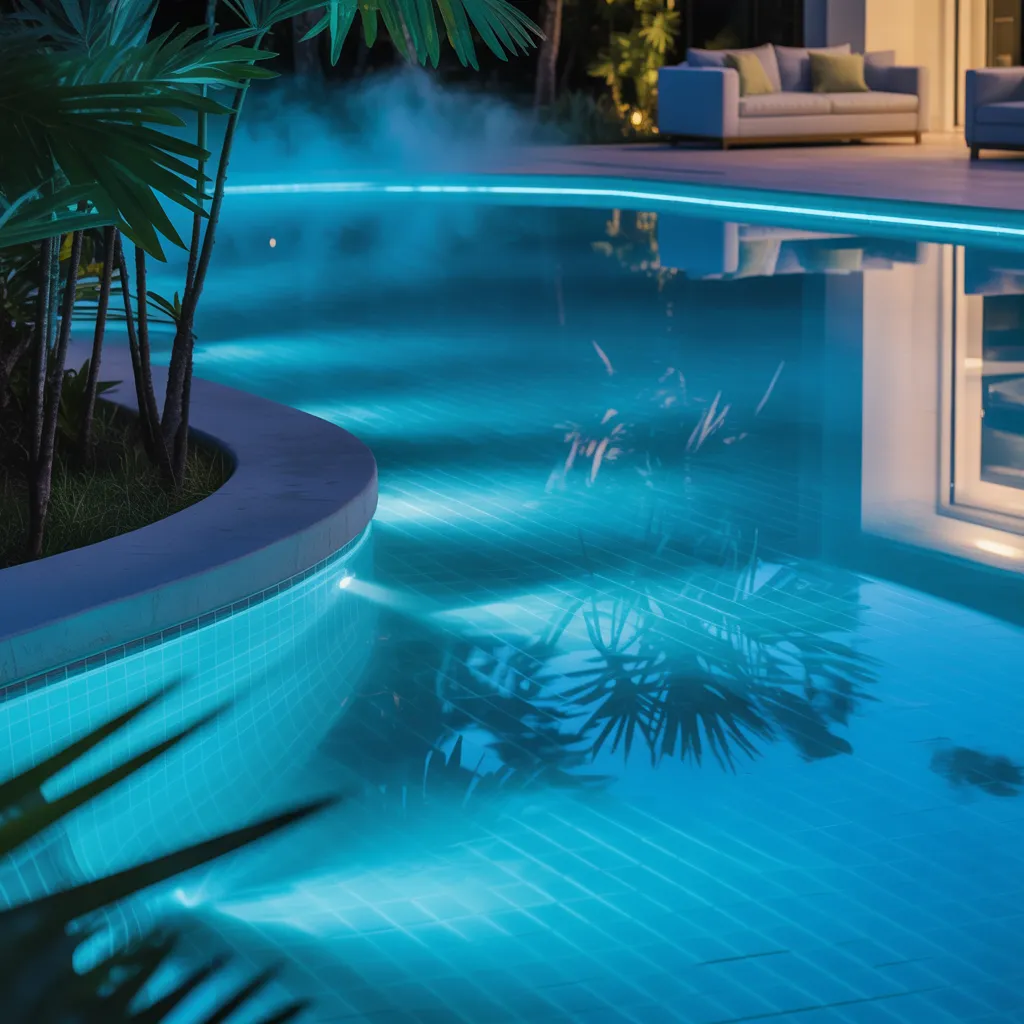
Important Steps for a Successful Pool Remodeling Project
A successful pool remodel requires thorough planning and precise execution. The primary step consists of establishing a well-defined budget, which assists in outlining the extent of the work and informs key decisions. Afterward, homeowners ought to examine their current pool and surrounding landscape to identify areas needing improvement. This evaluation often leads to the formation of a detailed design strategy that corresponds with individual preferences and lifestyle demands.
Employing a experienced contractor is essential, as their knowledge can facilitate the remodeling process and ensure compliance with local regulations. Securing applicable permits is another crucial element that deserves careful attention. Moreover, choosing the right building materials and surface treatments will significantly affect the overall aesthetic and longevity of the remodel.
In the end, defining a realistic plan for the project's end helps manage expectations, confirming that residents can take pleasure in their transformed environment without unneeded holdups. Via deliberate implementation of this approach, a comprehensive pool remodel can be attained.
Picking the Ideal Features for Your Pool
How can someone figure out the most suitable features to elevate a pool's functionality and appeal? The decision-making begins with evaluating the desired purpose of the pool. For family use, safety features like non-slip surfaces and shallow areas may be prioritized. For recreational purposes, swim-up bars, integrated seating, or water slides can create a fun atmosphere.
Furthermore, it is important to consider aesthetic elements, such as illumination and garden planning, which can produce a tranquil setting. Features like waterfalls or fountains not only improve the overall appearance but also provide calming acoustics.
Moreover, practical features such as efficient heating solutions and automated cleaning devices enhance convenience and sustainability.
At the core of the decision, aligning the chosen features with one's personal way of living and the immediate outdoor setting is essential. This careful method confirms that the pool emerges as a treasured highlight, integrating naturally with the backyard while meeting its primary goals successfully.
Planning Your Pool Remodel Budget
Budgeting for a pool remodel requires careful consideration of several key factors. Property owners ought to start by establishing firm budget boundaries while focusing on critical improvements to enhance overall value. Additionally, exploring various financing options may assist in achieving the planned improvements without monetary stress.
Setting Your Budget Limits
Creating a budget for a pool remodel is fundamental to ensuring the project stays financially feasible. Homeowners should begin by evaluating their current financial situation and determining how much they can comfortably allocate for the remodel. It is wise to consider not only direct expenses, like materials and labor, but also indirect costs, including permits and potential landscaping modifications. Investigating typical costs in the local market can offer useful guidance and assist in setting realistic expectations. Additionally, homeowners should consider setting aside a contingency fund for unexpected expenses that may arise during the renovation. By determining firm budget parameters, property owners can successfully oversee their resources while still realizing their desired pool renovation.
Addressing Critical Upgrades
When planning a pool renovation , homeowners should prioritize essential upgrades to ensure the most effective modifications fit within their budget. Key elements like resurfacing the pool interior, updating the filtration system, and enhancing safety features should take precedence. Resurfacing enhances not just the appearance but also prolongs the pool's durability. A contemporary filtration system guarantees clean water, minimizing maintenance expenditures in the long run. Furthermore, integrating safety features, such as non-slip surfaces and adequate fencing, is essential for household safety. Homeowners ought to review their present setup and determine areas demanding prompt attention, helping them to manage their budget efficiently. By emphasizing these key enhancements, they can establish an appealing and efficient pool environment without stretching their finances.
Discovering Financing Options
What are the best ways for homeowners to fund their pool renovation while remaining on budget? To begin, homeowners should develop a comprehensive budget that covers all anticipated costs, such as materials, labor, and unforeseen expenses. Additionally, considering financing solutions like personal loans, home equity lines of credit, or dedicated pool financing programs can supply the required capital. In addition, a number of contractors extend financing programs designed to keep monthly payment obligations reasonable. Another option for homeowners is to gradually accumulate savings by reserving a share of their income on a regular basis. As a final consideration, exploring grants or financial incentives tied to energy-efficient enhancements can significantly ease monetary strain. By examining these options, homeowners can make informed decisions that align with their financial capabilities while achieving their dream pool.
Modern Design Trends for Pool Remodeling
Prevailing design trends in pool remodeling focus on modern minimalist concepts, built around clean lines and a streamlined appearance. Furthermore, environmentally conscious features are becoming increasingly sought after, promoting sustainability while enhancing the overall experience. Smart technology integration also plays a vital role, providing homeowners with cutting-edge options for comfort and energy savings.
Sleek Minimalist Style
As homeowners seek to create tranquil outdoor retreats, modern minimalist aesthetics have emerged as a leading trend in pool remodeling. This style focuses on clean design and practicality, built around structured layouts and expansive areas that foster a sense of tranquility. Swimming pools crafted with minimalist principles commonly showcase structured shapes and understated hues, enabling them to integrate effortlessly with their environment. Materials such as natural stone, concrete, and glass are preferred for their sleek appearance and durability. Incorporating subtle landscaping elements, like low-maintenance greenery, elevates the aesthetic without cluttering the area. By emphasizing refinement over abundance, sleek minimalist pool concepts cultivate an appealing ambiance that encourages relaxation and enjoyment, making them a popular choice for contemporary homeowners.
Green Pool Features
As sustainability continues to gain importance, eco-friendly pool features are becoming a prominent trend in outdoor renovation. These designs balance environmental stewardship with visual enhancement. As an example, natural filtration systems employ plants and gravel to sustain water clarity, decreasing the need for chemical additives. Furthermore, solar heating panels are becoming explanation increasingly popular, enabling pool owners to utilize renewable energy for managing water temperature. Using recycled materials in pool building, including reclaimed stone or glass tiles, additionally advances green initiatives. In addition, energy-efficient pumps and LED lighting reduce energy usage while simultaneously decreasing the carbon footprint. In the end, these forward-thinking designs demonstrate a dedication to sustainability, providing an elegant and eco-conscious option for contemporary pool owners.
Intelligent Technology Integration
Growing numbers of homeowners are incorporating smart technology integration in their swimming pool upgrade projects. This trend enhances ease of use and performance, allowing for smooth operation of various pool functions. Smart thermostats help maintain optimal water temperature levels, while smart lighting systems establish atmosphere and increase visibility and safety at night. In addition, state-of-the-art filtration systems with integrated sensors assess water cleanliness, maintaining a crystal-clear aquatic environment with reduced need for manual upkeep.
Using smartphones or tablets for remote access allows users to change settings, obtain alerts, and even enable features including heating or cleaning from a distance. Furthermore, connectivity with home automation systems enables coordinated functionality with other smart devices, simplifying the overall outdoor experience. Altogether, smart technology is redefining pools as sophisticated, low-maintenance escapes.
Incorporating Landscaping With Your Pool
Integrating landscaping alongside a pool can convert a standard backyard into a peaceful sanctuary, boosting both beauty and usability. Well-considered landscaping works in harmony with the pool's design, producing a unified appearance. Locally sourced plants, as an illustration, need less care and prosper in native climates, introducing vibrant hues and rich texture to the pool surroundings.
Strategically placed trees can create shade, enhancing comfort while lounging while also increasing seclusion. Incorporating features like decorative rocks or stone pathways can guide the eye and encourage exploration throughout the space.
Water features, such as fountains or waterfalls, not only enhance the auditory experience but also create a tranquil atmosphere. Furthermore, the incorporation of outdoor lighting brightens the pool and surrounding landscape, prolonging usability into the evening hours. Ultimately, blending landscaping with a pool not only elevates the overall visual impact but also increases the enjoyment and functionality of the backyard retreat.
Care Guidelines for Your Remodeled Pool
Caring for a refurbished pool demands thorough awareness of several aspects to secure its longevity and aesthetic appeal. Frequent cleaning is critical, as contaminants can gather and compromise both water clarity and visual appeal. A steady schedule for cleaning, skimming, and brushing the pool surfaces works to prevent algae growth and ensures water clarity.
Water chemistry is another critical aspect; checking pH, chlorine, and alkalinity levels on a weekly basis ensures a secure swimming environment. Furthermore, the filtration system requires regular monitoring and cleaning to maintain optimal performance.
Regular seasonal upkeep, including winterizing during colder months, is essential for safeguarding the pool structure and equipment. Checking tiles, coping, and surfaces for cracks or signs of wear can reduce the risk of costly repairs in the future.
Finally, pool area landscaping should be handled to reduce debris buildup and ensure proper drainage, ensuring that the surrounding space remains safe and inviting for all users. Routine care not only elevates the enjoyment but also protects the investment made in a remodeled pool.
Frequently Asked Questions
How Long Does a Typical Pool Remodel Take?
A standard pool renovation requires roughly two to six weeks, based on factors such as project complexity, weather conditions, and contractor availability. Homeowners ought to prepare for possible delays caused by unforeseen issues throughout the remodeling process.
Can an Above-Ground Pool Be Remodeled?
Indeed, above-ground pools can be remodeled. Homeowners often enhance aesthetics by installing decks, greenery, or premium liners, while structural upgrades might consist of strengthening walls or altering height. Strategic planning ensures a smooth and successful remodel.
Which Permits Are Required for Pool Remodeling?
To renovate a pool, homeowners usually must obtain permits related to electrical work, plumbing, and construction. Municipal regulations differ, so speaking with the local construction authority is crucial to ensure adherence to all regulations.
How Do I Choose a Reliable Contractor?
To find a trustworthy contractor, one ought to gather recommendations, review online feedback, validate credentials and insurance, interview multiple candidates, and request detailed estimates. Honesty and responsiveness during preliminary interactions are strong indicators of their professionalism and dependability.
What Types of Warranties Are Expected on Pool Renovations?
Homeowners can anticipate warranty coverage for structural integrity, equipment, and materials when renovating their pools. These warranties commonly range between one and ten years, according to the contractor and the particular components used in the remodeling project.